Join the Interest List

Get access to the course syllabus and receive emails about upcoming events.

Thank you for submitting your email! Check your inbox.
If you don't receive an email within 24 hours, please reach out.
Oops! Something went wrong while submitting your email.
Cost
Course Structure
Learning Objectives
Cohort Timeline
Join the Waitlist

Community Catalyst Program

2026 PILOT COHORT

This is a 1-year course and hands-on apprenticeship that empowers leaders with community organizing skills to sustain social health programs that directly address loneliness & support disaster readiness.

Full scholarships available for WNC Catalysts thanks to our partners at Dogwood Health Trust and Center for Disaster Philanthropy.
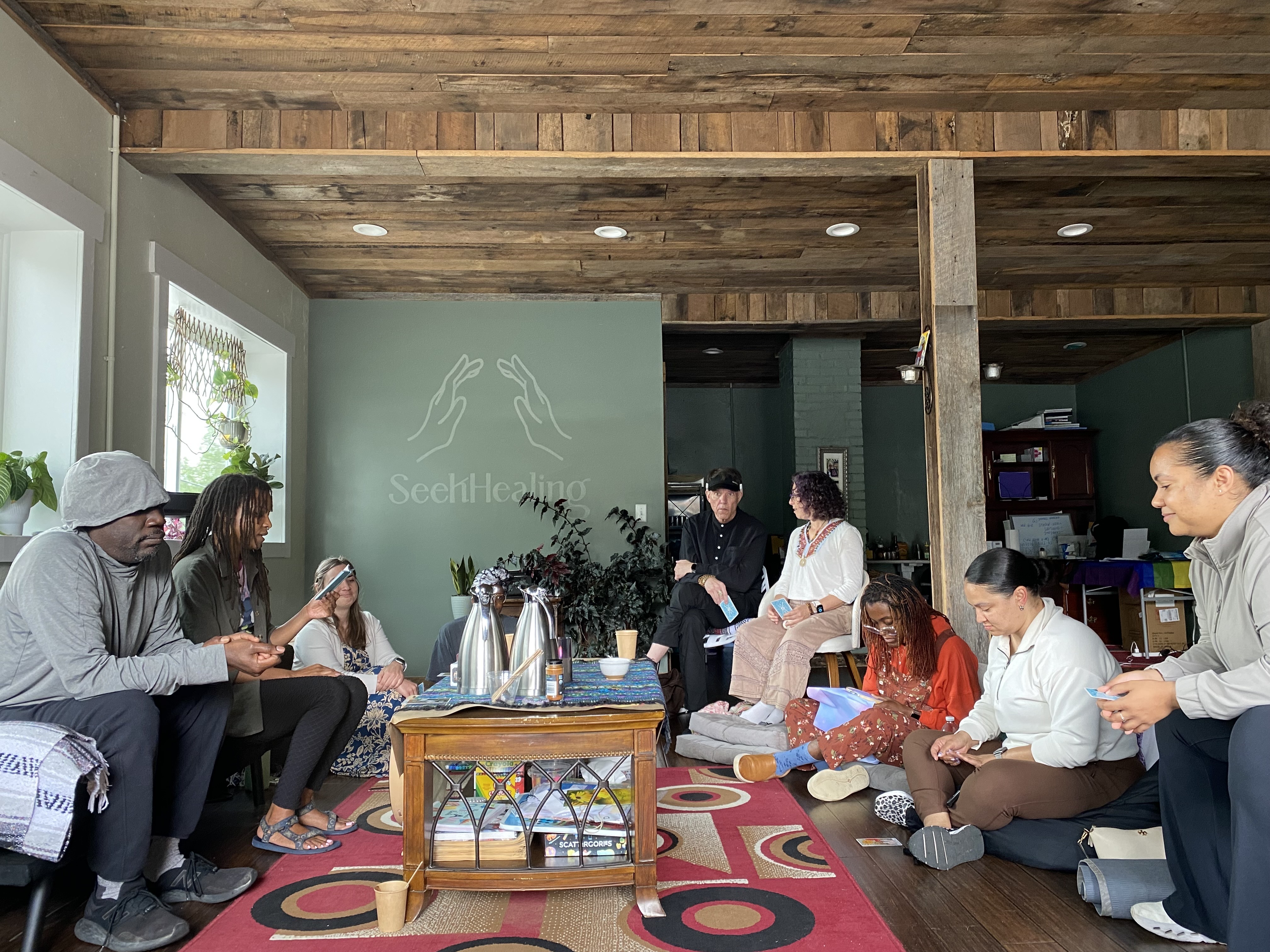
"This is more than a course - it's a culture shift."

Activating a Regional Network of Community Leaders

Loneliness had already been declared a public health epidemic in 2023 by the former US Surgeon General when Hurricane Helene hit Western North Carolina last year, and the need for resilient social infrastructure became truly urgent.

The Community Catalyst Program has been designed to activate a regional network of "social health catalysts” – local leaders, healers, artists and facilitators from eight historically marginalized demographics – to restore social capital and build long-term resilience in our region.

How it Works

Selected catalysts will be empowered with stipends, technology systems, training and coaching to support their community organizing work.

The expectation is that catalysts will establish hyperlocal rhythms in their communities for trauma-informed support structures, mutual aid coordination, and non-clinical mental health organizing.

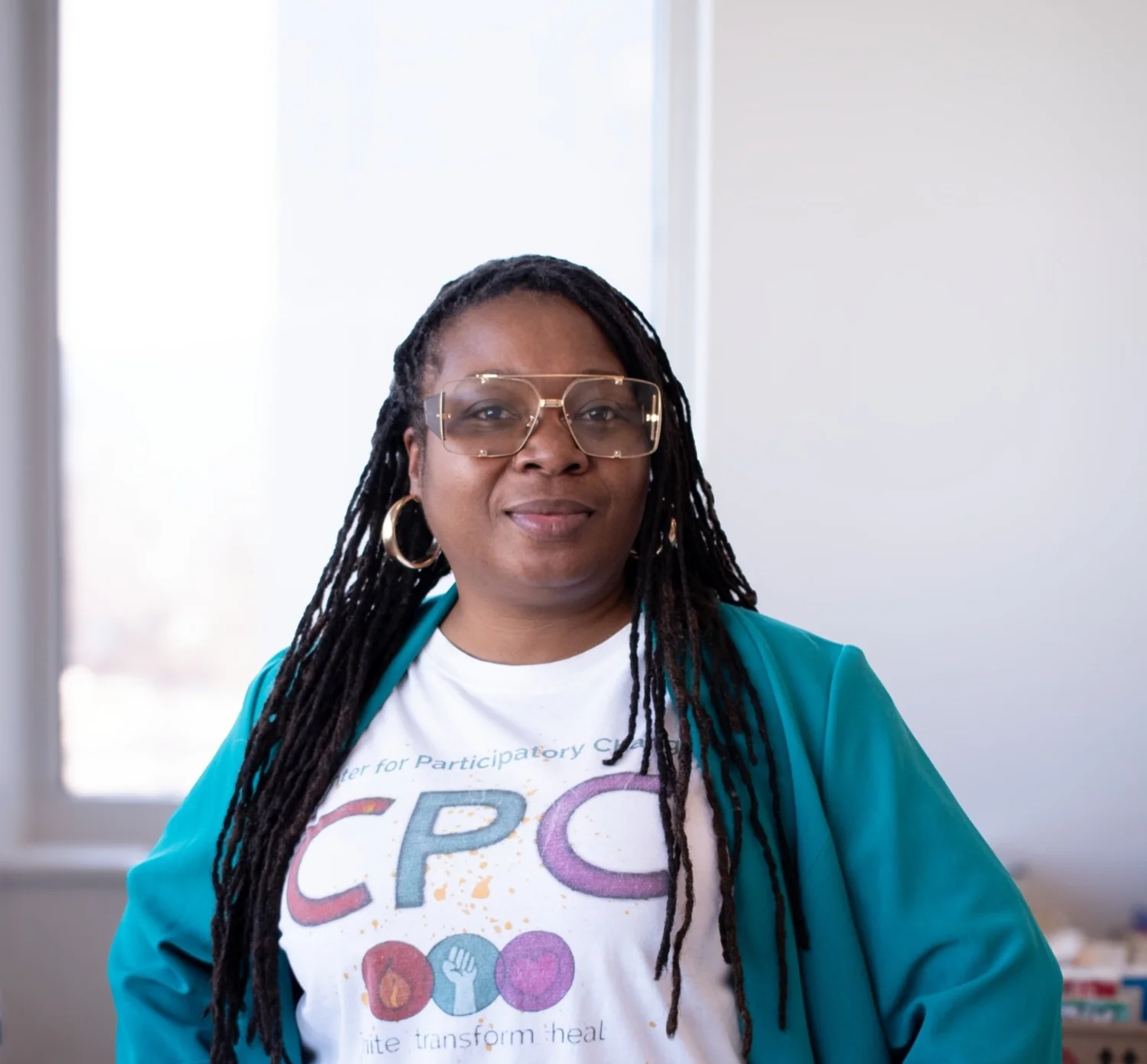
Meet the Training Team

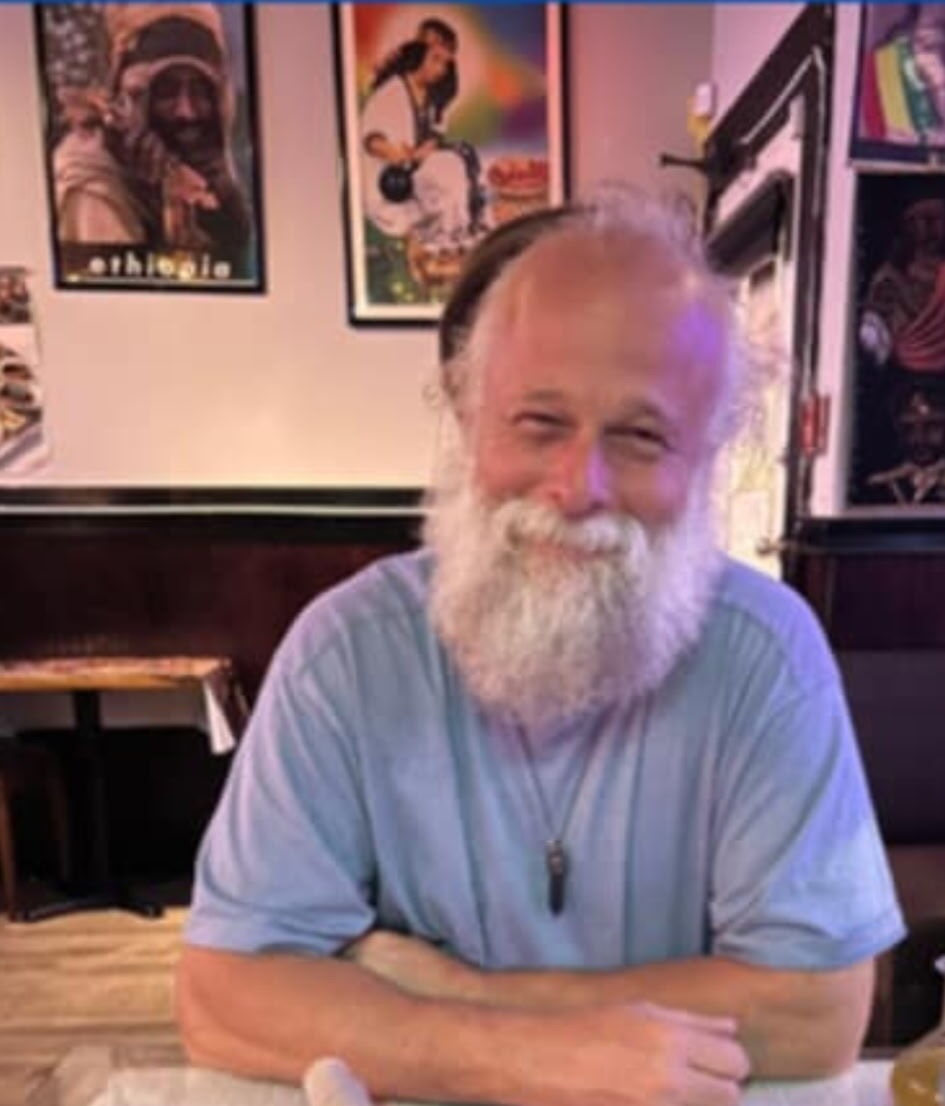
Tiffany De’Bellot

Executive Director,
Center for Participatory Change
she/her

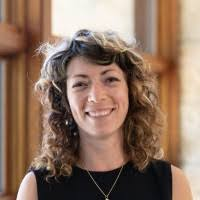
Naima Dido

Outreach Director,
Center for Participatory Change
she/her

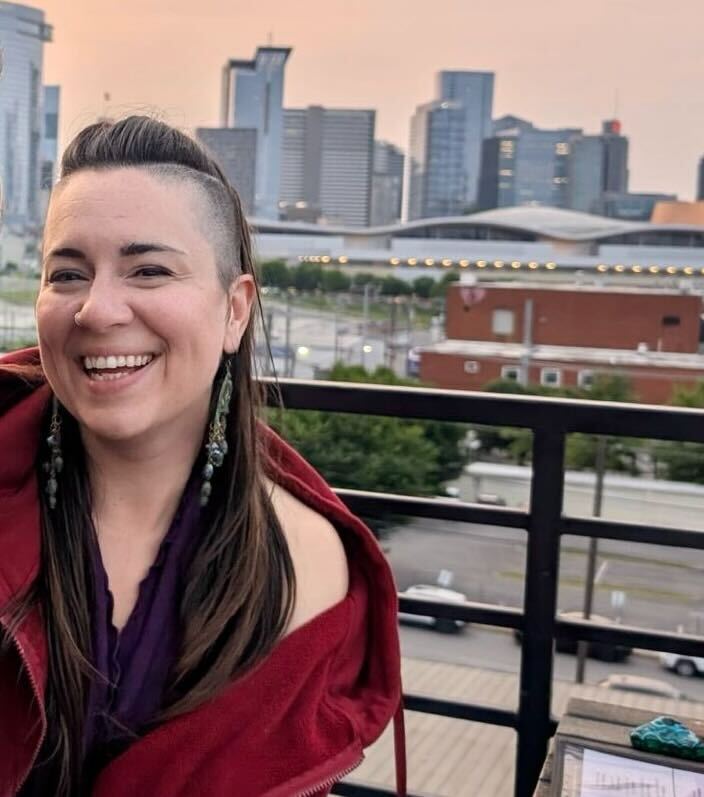
Shonnie Streder

Co-Founder and Trainer,
Asheville ToP Training
she/her

Diana McCall

Co-Founder and Trainer,
Asheville ToP Training
she/her

Christopher Kaiser Liontree

Executive Director,
Center for Participatory Change
he/him

Sara Ness

CEO,
Authentic Revolution
she/he/they

Jenesis Nicolaisen

Executive Director,
SeekHealing
they/she

Bea Reid

Community Catalyst Program Director,
SeekHealing
she/they

Everyday Leaders as Agents of Resilience

The innovation at the heart of this initiative is a new kind of regional public health infrastructure: one that equips everyday residents to lead mental health first aid and resilience-building in their own neighborhoods.

Catalysts are people who already occupy either formal or informal leadership roles in their communities and social networks.

Connecting People to
What They Need Through Relationship

They are those among us who are willing to think outside the box and take the time to facilitate the real human relationships that people need in order to effectively access resources from larger systems & programs.

Personalized Learning and Real World Activation

Through the course training ecosystem, selected Catalysts will meet with trainers who personalize their learning journey and provide them with the tools they uniquely & specifically need to activate social health and social capital in their impact area.

Individual learning journeys feature:

Live Classes
Coaching &
Mentorship
Community Building Story Circles
Restorative Retreats
Peer-Led Pods
Facilitation Fight Labs
Subject Matter Expert (SME) Interviews

“Trust & Reciprocity” Structure

For Catalysts eligible for grant funding, the program uses a “Trust & Reciprocity” structure to formalize agreements with Catalysts to become fiscal agents of SeekHealing: an agreement that furnishes Catalysts with monthly organizing stipends in exchange for attendance data related to connection events they organize (Connection Practice Meetings, Listening Training courses, social events, and other connection-oriented activities or Connection Boosters) as well as mutual aid interactions they coordinate (Connection Missions and Seeker Pairs). Depending on eligibility, some catalysts may also be eligible for facilitation stipends on a case by case basis.

The Community Catalyst Course is a path forward for rebuilding social infrastructure in rural, low-income, and historically marginalized communities; with disaster readiness and accessible mental healthcare built into relationships, not bureaucracy.

Program Cost

The pilot cohort is available at no cost to participants.

The full value of this training is estimated at $8,500 per person, but thanks to generous support from our funding partners (the Center for Disaster Philanthropy, Vital Strategies, and Dogwood Health Trust), we are able to offer it at no cost to participants in the 2026 pilot cohort.

Funding partners for those who qualify by social health impact area:

Center for Disaster Philanthropy

Mental health and/or substance use recovery, elders, youth, BIPOC, LGBTQIA+, justice-involved, unhoused, rural, disaster-impacted

Vital Strategies Overdose Prevention Grant

BIPOC, mental health and/or substance use recovery.

Program Structure

Every week, Catalysts should plan for:

2-3
hours
Community Building Values
3-4
hours
Community networking, coordination, and activation work

Learning Objectives

1
Community Building Values
2
Partnerships & Outreach
3
Coordinating Connection Events
4
Coordinating Mutual Aid
5
Fundraising & Marketing
6
Data & Feedback
7
Technology Systems
8
Team Organizing
9
Community Care
10
Self Care

Cohort Timeline

January
Community Building Values
Holiday connection event for friends and family
Values & Motivations
February
Creating Community Heartbeats
Begin coordinating and/or facilitating in community
Hosting Connection Practice
Connection Boosters
Social events 
March
Butts in Seats: Outreach
Strategic project plans
Outreach to partner organizations
Marketing
Community Organizing & Invitations
Events Management Technology
April
Leadership & Laughter
First impact report with photos & stories
Feedback and Self-Improvement
Play & Community Care
Authentic Relating Games
May
Deepening Community Rhythms
Facilitating 1:1 Connections
Seeker Pairs and mutual aid coordination
Empowering community-led meetings
Coordinating Listening Training
June
Feedback &
Failing Forwards
Trust & Reciprocity Ceremony 2
Building a Team
July
Community Building Values
Holiday connection event for friends and family
Values & Motivations
August
Community Building Values
Holiday connection event for friends and family
Values & Motivations
September
Community Building Values
Holiday connection event for friends and family
Values & Motivations
October
Community Building Values
Holiday connection event for friends and family
Values & Motivations
November
Community Building Values
Holiday connection event for friends and family
Values & Motivations
December
Community Building Values
Holiday connection event for friends and family
Values & Motivations

Have any questions?

Submit your question and contact information below.

Thank you! Your submission has been received!
Oops! Something went wrong while submitting the form.